Let’s talk about aphids, those small but impactful insects that often show up in our yards, gardens, and even indoor plants. Aphids, the small, pear-shaped insects, come in different colors like green, yellow, and black. They have a unique life cycle and way of reproducing, which allows them to multiply rapidly and in large numbers. One interesting thing about aphids is their relationship with ants, which often take care of aphids because of the sweet liquid they produce. Despite their potential to damage plants, aphids also serve as an important food source for many helpful insects, like ladybugs and lacewings. So, while they may be a problem for gardeners, they also play a part in the complex web of life in the natural world.
What Are Aphids?
Aphids are small, soft-bodied insects that belong to the order Hemiptera. They measure between 1/16 to 1/8 inch (2-4 mm) in length and come in various colors: green, black, red, yellow, brown, or gray. They can be winged or wingless, and their distinguishing feature is the pair of tailpipes (cornicles) at the end of their abdomen.
How Do Aphids Affect Plants?
- Nutrient Robbing and Plant Damage:
- Aphids are sucking insects that feed on plant sap.
- Their feeding causes curling, distortion, and yellowing of tender young growth.
- This weakens plants, affecting their overall health and productivity.
- Aesthetic Quality Reduction:
- The presence of aphids, their white shed skins, and the sticky honeydew they excrete reduce the visual appeal of greenhouse crops.
- Aphid-infested plants may appear less attractive to buyers and consumers.
- Disease Transmission:
- Aphids act as vectors for various plant viruses.
- They transmit diseases such as potato leaf roll, potato virus Y, beet mosaic, and lettuce mosaic.
- These diseases can lead to crop losses and reduced yield.
- Fungal Growth and Ant Attraction:
- The honeydew produced by aphids serves as a substrate for sooty mold, affecting plant aesthetics.
- Ants are attracted to the sweet honeydew, further complicating pest management.
- Gall-Forming Toxins:
- Aphids can infect plants with gall-forming toxins, causing abnormal growths (galls) on leaves, stems, or roots.
- These galls disrupt plant function and appearance.
Organic methods to treat aphids
| Method | Description |
|---|---|
| Inspect Your Plants Regularly | Regularly check your plants for early signs of aphid infestations. Catching them early makes subsequent control methods more effective. |
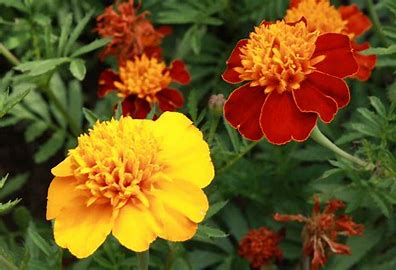
| Grow Aphid Repellent Plants | Plant flowers like marigolds, nasturtiums, and sunflowers. Herbs such as catmint, lavender, turmeric, ginger, and oregano also repel aphids. Additionally, consider growing onion and garlic, which aphids dislike. |
| Attract Beneficial Insects | Encourage ladybugs, lacewings, parasitic wasps, and damsel bugs by planting mint, fennel, dill, yarrow, and dandelions. These predators help control aphid populations. |
| Pungent-Smelling Companion Plants | Sage, onions, garlic, and nasturtiums emit strong scents that deter aphids. Plant them alongside susceptible plants to create a protective barrier. |
Remember, although aphids can be troublesome, they typically don’t inflict significant harm to plants. Therefore, it’s important to monitor them, but there’s no need to be overly concerned—nature generally manages these small garden visitors. Maintaining a harmonious balance in your garden is crucial—address aphids without entirely eliminating them, as they serve as food for beneficial wildlife.